Critical Thinking, Second (World) Language Learning, and AIM

What does it actually mean to "think critically" in a second language classroom? TheCritical Thinking Consortium (TC2.ca)defines it as:

Thinking through a problematic situation to decide what to believe or how to act, where the thinker makes a reasoned judgment using intellectual tools for quality thinking.

In the classroom, we ask questions constantly. However, not all questions are created equal. Most classroom dialogue falls into one of three categories:

  1. Factual: "Where does your mother live?"
  2. Personal Preference: "What is your favorite ice cream flavor?"
  3. Critical Inquiry: "What would be the best action for this character to take next?"

While factual and preference-based questions have their place, critical inquiry is where the real magic happens for language learners.

4 Reasons to Use Critical Thinking in the Second Language Classroom

Why should we challenge students to think deeply when they are still mastering basic vocabulary?

Student Empowerment

It transforms struggling learners into active thinkers, challenging them to grow beyond rote memorization.

Higher Engagement

Students who are asked to solve problems or make judgments are naturally more invested in the lesson.

Authentic Interaction

Critical thinking requires communication. Strategies like "Pair/Share" give students a genuine reason to use their new language.

Long-term Retention

When a task has meaning and requires intellectual "heavy lifting," students are significantly more likely to remember the vocabulary and structures used.

Start Using Criteria for Success

As teachers, we often assign tasks that are easy to grade but offer little "stretch." A checklist of requirements makes marking 200 projects manageable, but it doesn't necessarily inspire.

The secret to balancing a manageable workload with high-level thinking is Criteria. Criteria are the attributes that help us recognize quality. When we teach students to develop and use criteria, we empower them to make reasoned judgments about their own work.

Try this process: Have students work in pairs to brainstorm criteria for a project, then move into small groups to select the best ones. Finally, as a class, narrow the list down to a few essential pillars of quality. This process extends the thinking before the "real" work even begins.

Applying the 6 Types of Critical Thinking to the AIM Methodology

In any second language environment—and specifically within the Accelerative Integrated Method (AIM)—we can categorize critical thinking into six distinct tasks. By using the AIM teacher guide as a springboard rather than a rigid script, you can easily hit all six types of thinking. Here is how they align with AIM activities:

Critical Thinking Task AIM Application Example
Critique the Piece Assessing play performances based on set criteria.
Judge the Better/Best Comparing two ways to resolve a story conflict.
Rework the Piece Story retelling or "mets les mots en ordre."
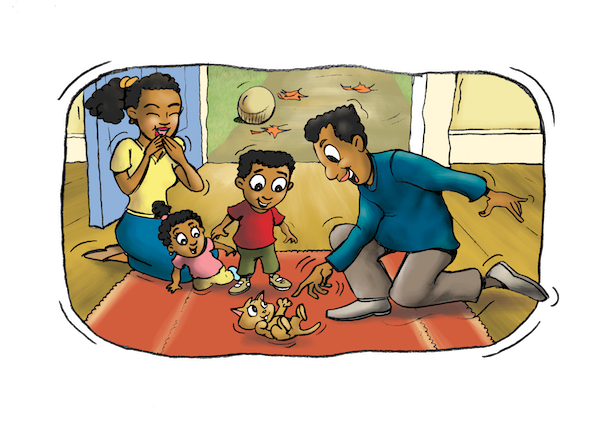
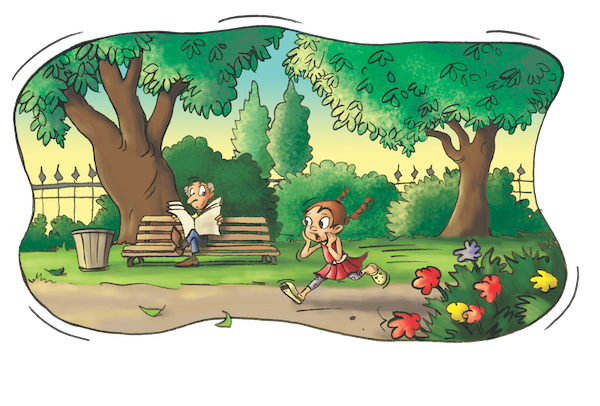
Decode the Image Analyzing "the who, what, where, and why" of a visual scene.
Design to Specs Story extensions and creative improvisational storytelling.
Perform to Specs The actual play performances and expressive gesturing.

Start Small, Think Big

If you are at the very beginning of a play or working with "level zero" students, your focus will naturally be on vocabulary. However, as the year progresses, you can weave in critical thinking even with a limited lexicon.

Your goal for this week: Notice the moments where you can encourage "extra" thinking. Start incorporating these challenges into Teacher-Led Self-Expression and Spontaneous Talk. These are the areas where language truly blossoms and where students take ownership of their learning.

Making them think is the icing on the cake!